


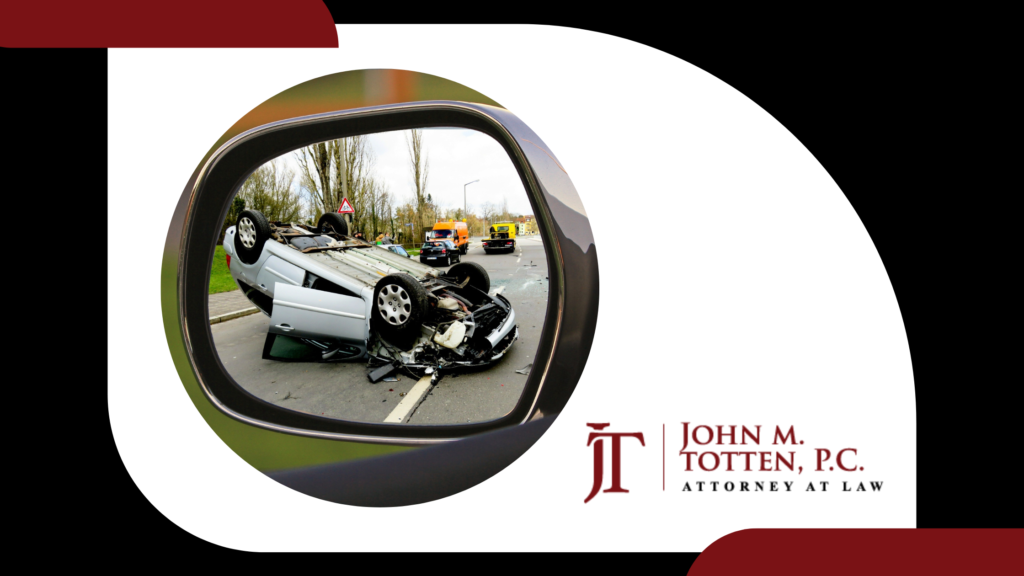
Executive Summary: Dash cam footage can play a valuable role in Alabama accident claims. Video may show how a crash occurred, support a driver’s credibility, capture events after the collision, and help investigators determine fault. Under the Alabama Rules of Evidence, dash cam footage may be admitted in court if it can be authenticated. Preserving the original recording is important if the footage may be used in a claim or lawsuit.
A crash can happen in seconds. One driver says the light was green. Another says it was red. Witnesses may not agree on what they saw. Insurance companies often rely on statements and reports to decide who was at fault.
But sometimes there is something stronger than memory: video.
Dash cameras are becoming more common on American roads. A small camera on the windshield can record the moment an accident happens. That footage can become powerful evidence when filing an accident claim in Alabama.
Understanding how dash cam video can help and how courts treat it can make a big difference if you are involved in a collision.
What Is Dash Cam Footage?
A dash cam is a small camera mounted inside a vehicle, usually on the windshield or dashboard. It records the road ahead while the vehicle is in motion. Some models also record the interior or the rear view.
Most dash cams save video in short loops. When a crash occurs, the file from that moment can be preserved and used later as evidence.
Dash cams are legal in Alabama as long as they do not obstruct the driver’s view, consistent with general vehicle safety rules under Alabama Code § 32-5A-133, which addresses driver visibility requirements.
-
Dash Cam Footage Can Show Exactly What Happened
In many accident cases, the biggest issue is determining who caused the crash. Dash cam video may capture:
- Traffic signals
- Speed and lane position
- Sudden braking
- Unsafe lane changes
- Red-light violations
- Road conditions at the time of the crash
This kind of visual evidence can clarify events in ways written statements cannot. Insurance companies and courts often review dash cam footage alongside police reports and witness testimony to determine fault.
-
It Can Strengthen Your Credibility
Accident claims often come down to credibility. Each driver may have a different version of events.
If dash cam video matches your account of what happened, it can strengthen your claim and support your testimony. It may also discourage the other driver from disputing facts that are clearly recorded.
Courts consider video evidence when it is properly authenticated under the Alabama Rules of Evidence, particularly Rule 901, which requires proof that the evidence is genuine.
-
It May Capture Important Details After the Crash
Dash cams do not always stop recording immediately after an impact. Many continue to capture what happens next. This can include:
- Statements made by drivers
- The position of vehicles after the crash
- Road conditions
- Traffic flow and surrounding vehicles
These details can help reconstruct the accident and support an injury claim.
-
Video Can Help Investigators and Insurance Adjusters
Police officers and insurance adjusters rely on evidence when reviewing accident claims. Dash cam footage may help them:
- Confirm the location of the crash
- Verify vehicle movements before impact
- Identify additional vehicles involved
- Understand environmental conditions such as rain or low visibility
In many cases, investigators must rely on limited evidence. Video can provide valuable context.
-
It May Speed Up the Claims Process
When clear video evidence exists, insurance companies may reach decisions faster. Disputes about fault can take weeks or months when evidence is limited.
A short video clip showing the events leading to the collision may reduce arguments about what occurred. This can sometimes lead to faster settlements or clearer liability decisions.
However, video does not guarantee a successful claim. It must still be reviewed alongside medical records, police reports, and other evidence.
What to Do If You Have Dash Cam Footage After an Accident
If your vehicle recorded the crash, take steps to preserve the footage right away. Helpful steps include:
- Save the original video file immediately
- Create a backup copy
- Note the date and time of the recording
- Avoid editing or altering the file
- Provide the footage to your attorney or insurance company when requested
Preserving the video in its original form helps ensure it can be used properly if your case proceeds to court.
A Final Thought
Accidents often happen without warning. When they do, clear evidence matters. Dash cam footage can provide a neutral record of events that may support your version of the crash. If you were involved in an accident and have video of what happened, it could become one of the most important pieces of evidence in your case.
At John M. Totten, P.C., we help accident victims review all available evidence, including dash cam recordings, to build strong claims under Alabama law.
FAQs
- Are dash cams legal in Alabama?
Yes. Dash cams are generally legal in Alabama as long as they do not obstruct the driver’s view of the road. - Can dash cam footage be used in court?
Yes. Courts may admit dash cam footage if it is authenticated and shown to accurately represent what occurred. - Do I have to share dash cam footage with the other driver’s insurance company?
Not necessarily right away. It is often best to review the footage with legal counsel before providing it to insurers. - Can dash cam footage prove fault in an accident?
It can help clarify events, but it is usually considered along with other evidence such as police reports, witness statements, and physical damage. - What should I do if my dash cam recorded a crash?
Save the original file immediately, back it up, and avoid editing it. Preserving the footage helps ensure it can be used as evidence.


