


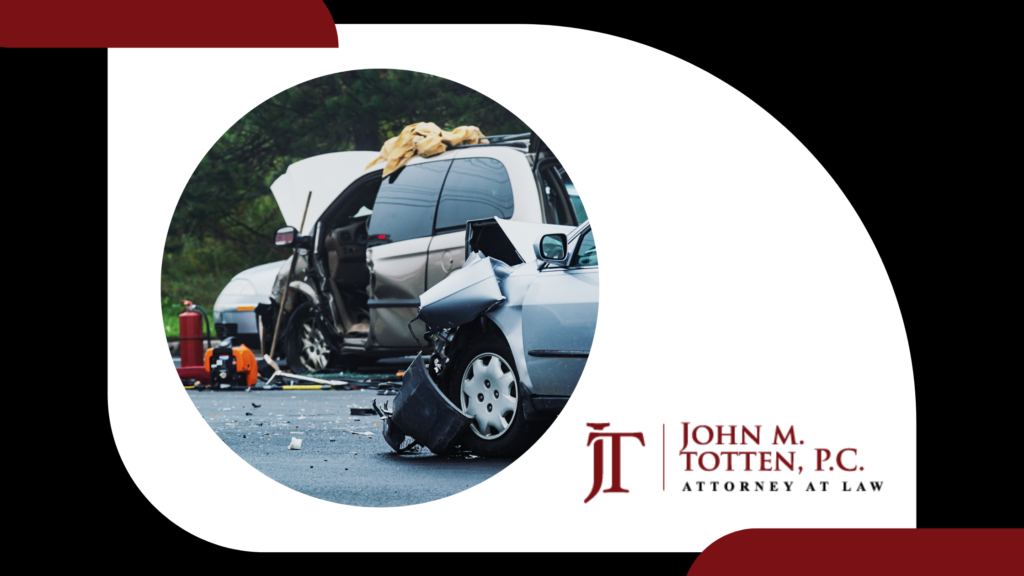
Alabama car accident personal injury claims often come down to minute details and determining what contributed to the crash. Documenting all possible contributing factors at the scene is necessary to build a strong case—and that includes weather and road conditions. These often play a key role in crashes, especially if you live in an area with more severe weather.
From foggy mornings to sudden rainstorms, Alabama’s weather can change quickly, impacting road safety and visibility. Knowing how to record these elements after an accident could make a huge difference in your personal injury case, helping to identify all parties that might share responsibility for your injuries.
Document Weather Conditions at the Scene (Especially How Weather Impacted Road Safety)
One of the first things you should do at the scene of an accident is to document as much as possible—including the weather. While taking pictures of the vehicles involved is definitely important, capturing the conditions at the scene could be equally important. Rain, fog, and slick roads can influence how an accident occurred and who might be liable. Was visibility reduced due to heavy fog? Was the road wet and slippery? Did the state or local government do enough to prepare for and prevent hazards on the roads? By noting these details, you provide context for how the weather affected safety as part of your Alabama personal injury claim.
Make sure you document the full condition of the road around you and not just the weather. Take photos if there is debris, standing water, or poor road maintenance that could’ve contributed to the crash. If the responsible authorities fail to address these issues, they could share in the liability for the crash.
The Government is Responsible for Sound Road Design
Road design is another contributing factor that you might be overlooking. Roads should be built according to safe design standards, but not all roads meet those standards. In some cases, poor design choices, especially in areas prone to severe weather, can create dangerous conditions.
For example, the placement of barriers can affect the severity of a crash. Some areas use flexible wire barriers, while others install solid concrete barriers—and the difference matters. Each type serves specific safety functions, and if an unsuitable barrier was used given local weather risks, it might have made the accident worse. Also, objects close to the roadway, like light posts or signs that block visibility, can complicate already hazardous conditions.
If road design flaws or improperly placed barriers contributed to your accident, it may be possible to hold a municipality or government agency responsible. Documenting the road’s layout and any potential hazards could be vital in proving liability.
Get the Compensation You Deserve in Alabama Personal Injury Cases
If you’ve been injured in an Alabama car accident, it’s important to consider every factor that may have contributed to the crash. It’s not just who is behind the wheel—those tasked with designing, maintaining, or managing road safety could also be held liable. Contact John M. Totten, P.C., to discuss your case and make sure all contributing factors and parties are accounted for in your Alabama personal injury case. We’re here to help you seek the compensation you deserve by holding all responsible parties accountable.

- What Happens After a Probation Violation in Alabama? A Step-by-Step Look at the Court Process - April 22, 2026
- Can Text Messages and Social Media Be Used in Alabama Divorce Court? - April 9, 2026
- Filing a Medical Malpractice Claim in Alabama? Here’s What to Know About the Expert Affidavit Requirement - March 24, 2026


